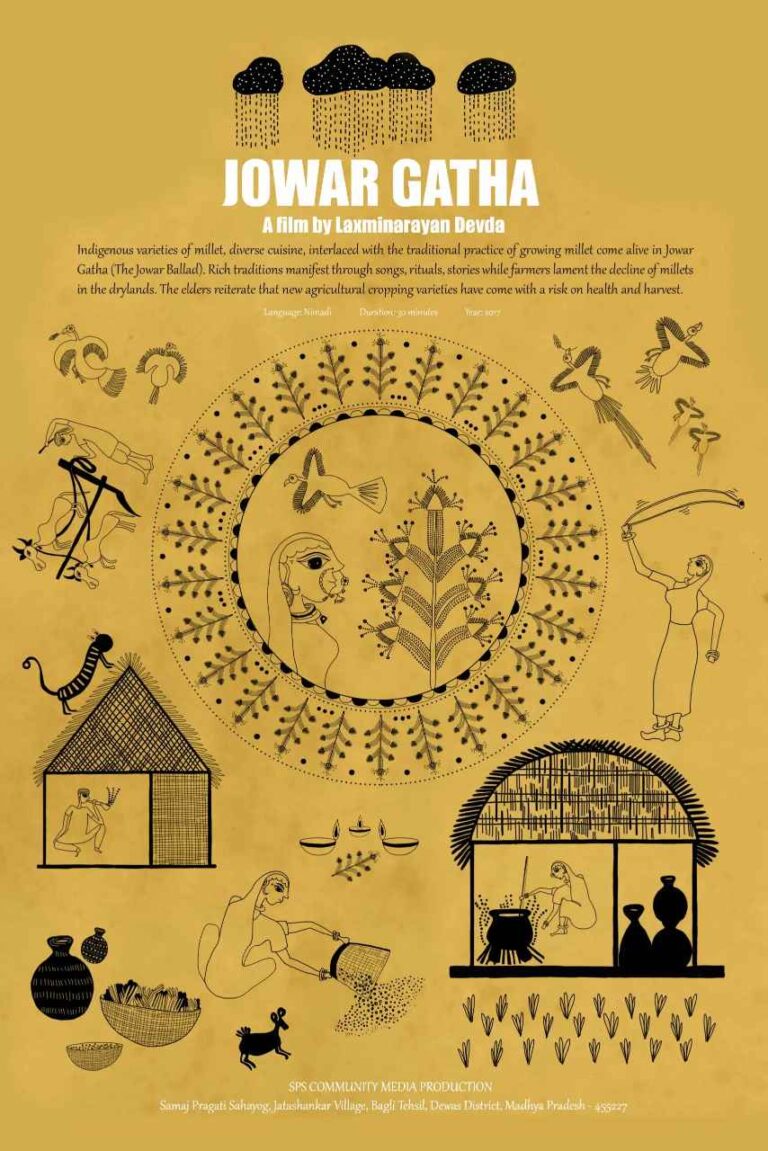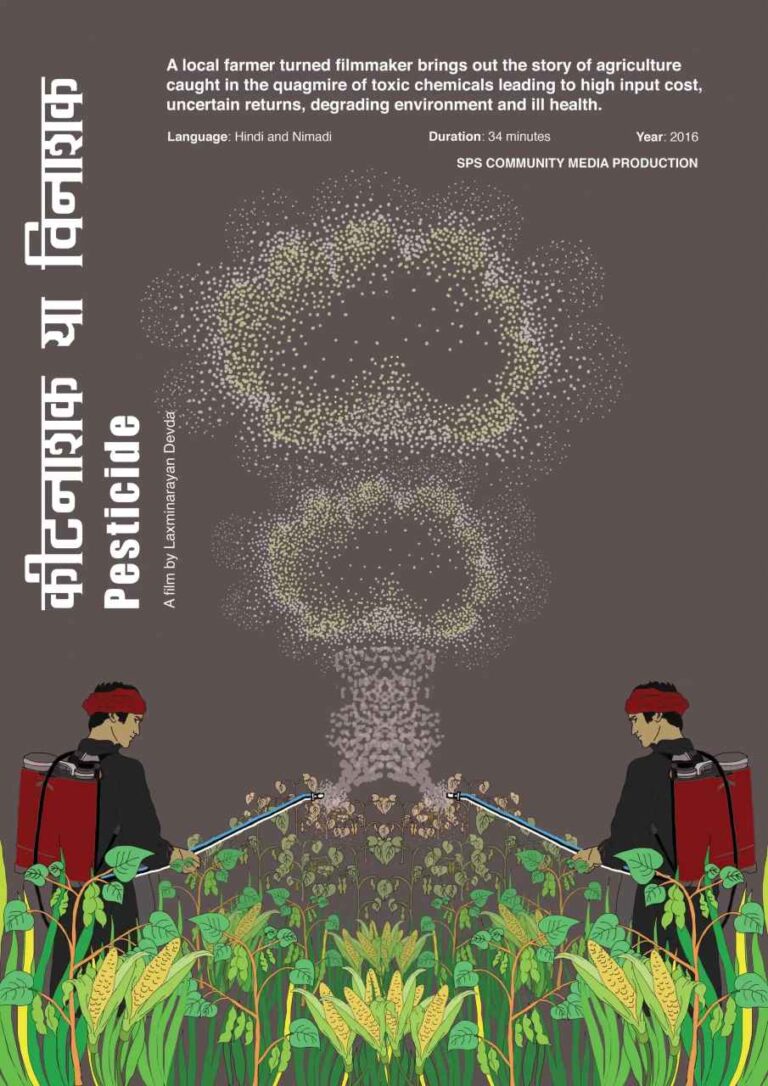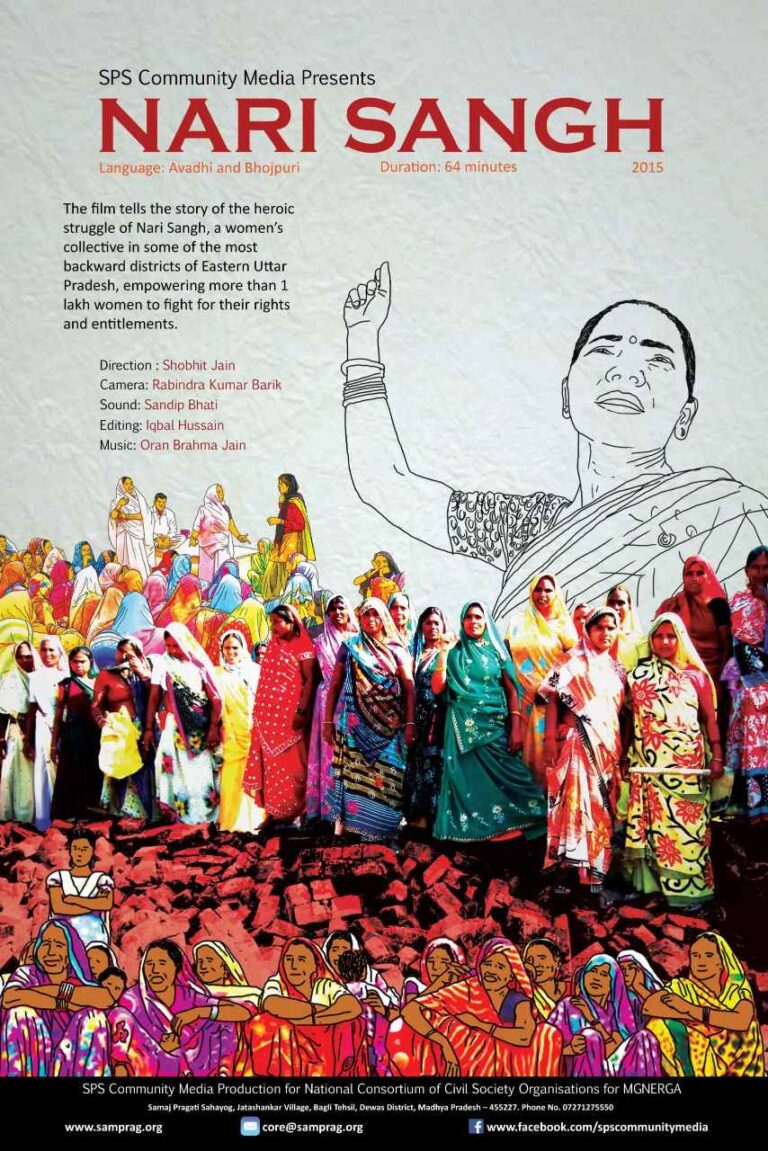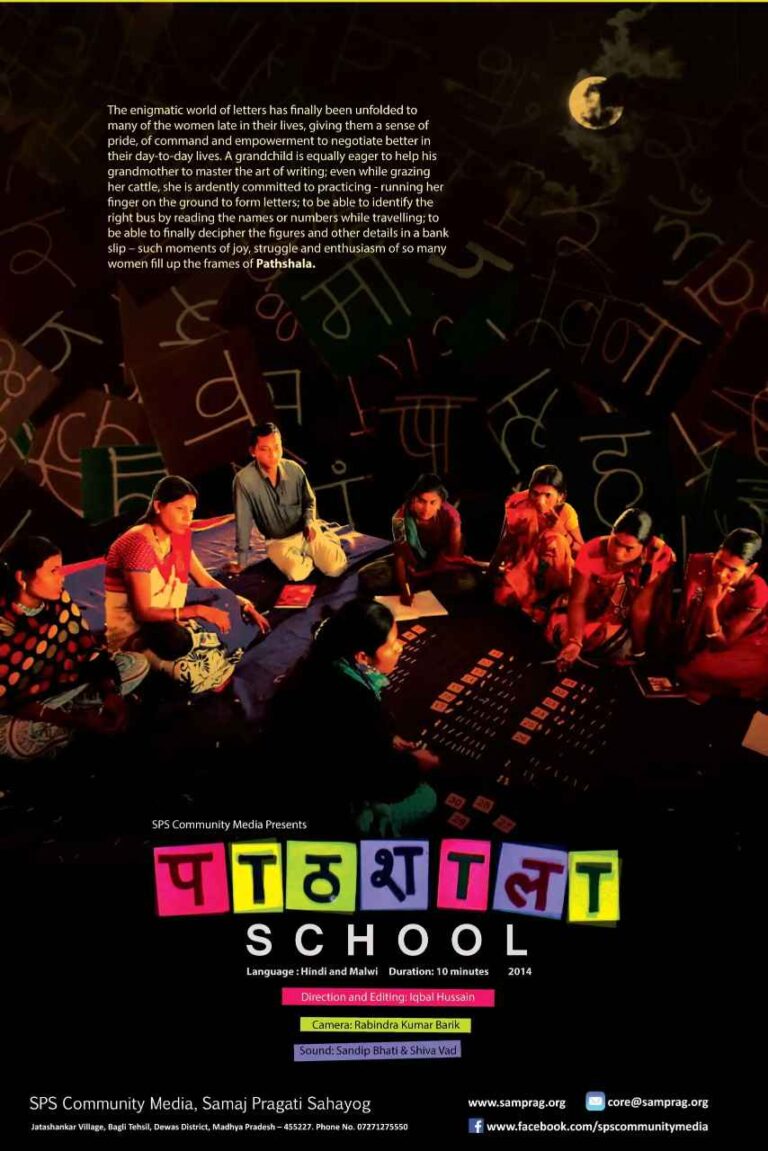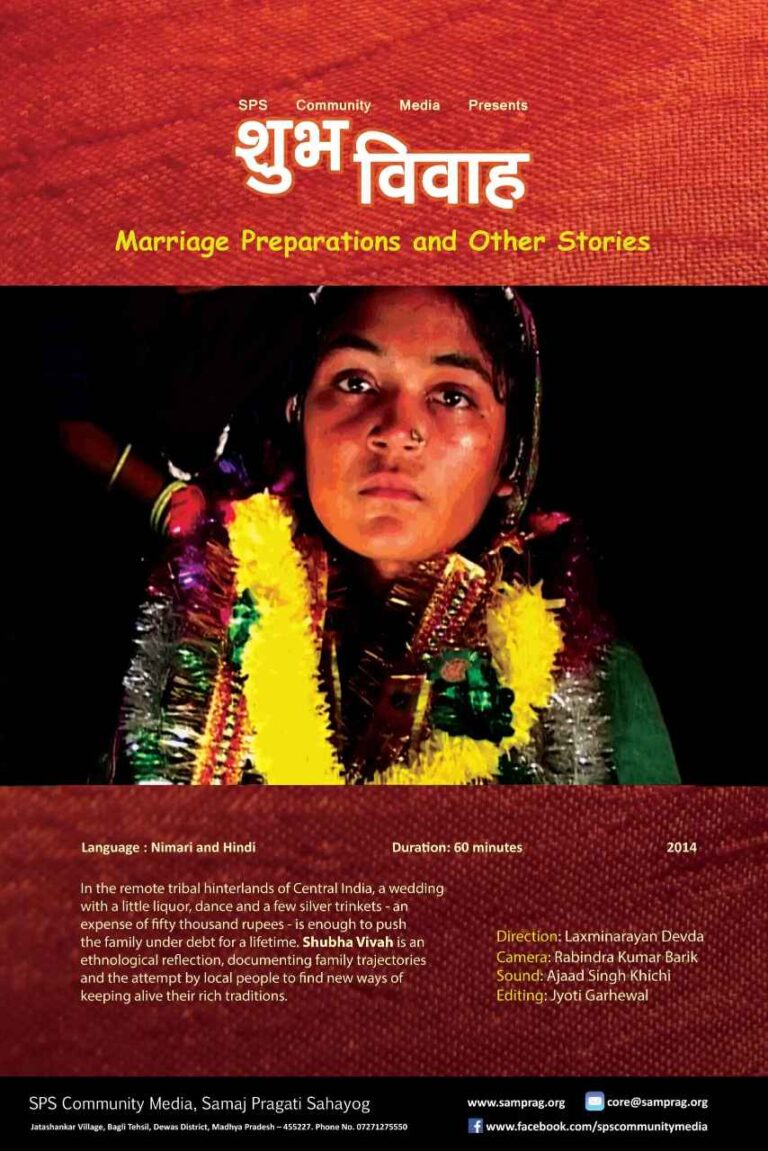
SPS Community Media is a full-time in-house production unit, articulating all SPS endeavours, translating ideas, practices and knowledge into films in a dynamic, interactive process in partnership with the community. The media outputs are regularly used in the capacity building efforts of the people’s institutions like SHG federations, producer companies and co-operatives that SPS is facilitating in the area.
The SPS Livestock Programme for small and marginal farmers has been operational for over 15 years. SPS has so far focused on dairy farming, poultry rearing and goat rearing with more than 7500 farmers in close to 200 villages. Livestock is a valuable risk mitigating asset, especially for the rural poor, who are already disproportionately vulnerable to the effects of climate change because of their dependence on agriculture. For tribal communities, livestock has traditionally played an important role and a tribal family spends a significant amount of time (about 2 to 4 hours per day) looking after its livestock. In the Nimar region, even the poorest families have livestock, which has been traditional practice for decades.
While people have had large stocks of cattle in our area, milk yields had been poor due to poor animal health and lack of water, fodder, affordable credit and a market. Our watershed programme had already ensured water and fodder. We have also introduced quality preventive and curative veterinary care. Painstaking efforts of our team have ensured that the Indore Milk Union (IMU) has included our area in their milk collection route and has also installed a Bulk Milk Cooler of 3,000 litres capacity in village Neemkheda, which regularly collects milk from the villages and supplies to the chilling plant of IMU at Chapda. SHGs have extended credit to their members (at low rates of interest with long repayment periods) to purchase quality breeds. On the procurement side, activities focus on building up a fair and efficient milk collection and payment system. On the production side, various programmes like pregnant cow care, fodder production, regular deworming and vaccination, support in selection of good animals and improved breeding services attempt to raise productivity of farm animals.
More recently, the focus of the livestock support program more recently has been small ruminants and poultry. Poultry and goat rearing are important sources of income, especially for smallholder farming households. It is often unsuccessful because of high mortality due to poor healthcare services, unsafe inhabitation, lack of veterinary care and insufficient credit to make the initial investment. The program addresses these issues systematically by working with SHGs. The SHGs create access to institutional credit which enables the women to buy chicks and goats. A dedicated cadre of “para vets” provides feet to the programme by making available essential services in far-flung villages. Under this program, over 1 lakh birds and 17000 goats have been vaccinated across locations between 2016 and 2018. 1087 women have been trained in effective management and health-care of poultry animals and small ruminants. The animal healthcare programme is run through the federations, which leverage resources from the government departments for vaccination, medicines, animal health camps and for fodder support.
Podcasts

A major challenge facing SPS is to be able to communicate its ideas in a simple, clear, understandable and appealing manner to the people with whom we work. Without such communication, it would be almost impossible to achieve our key requirement for success, which is the active participation of the stakeholders in all our programs from conception to execution.
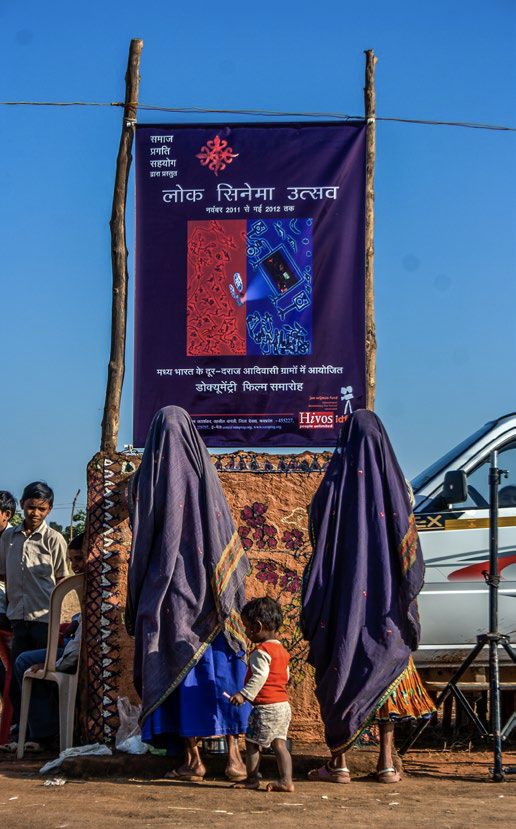
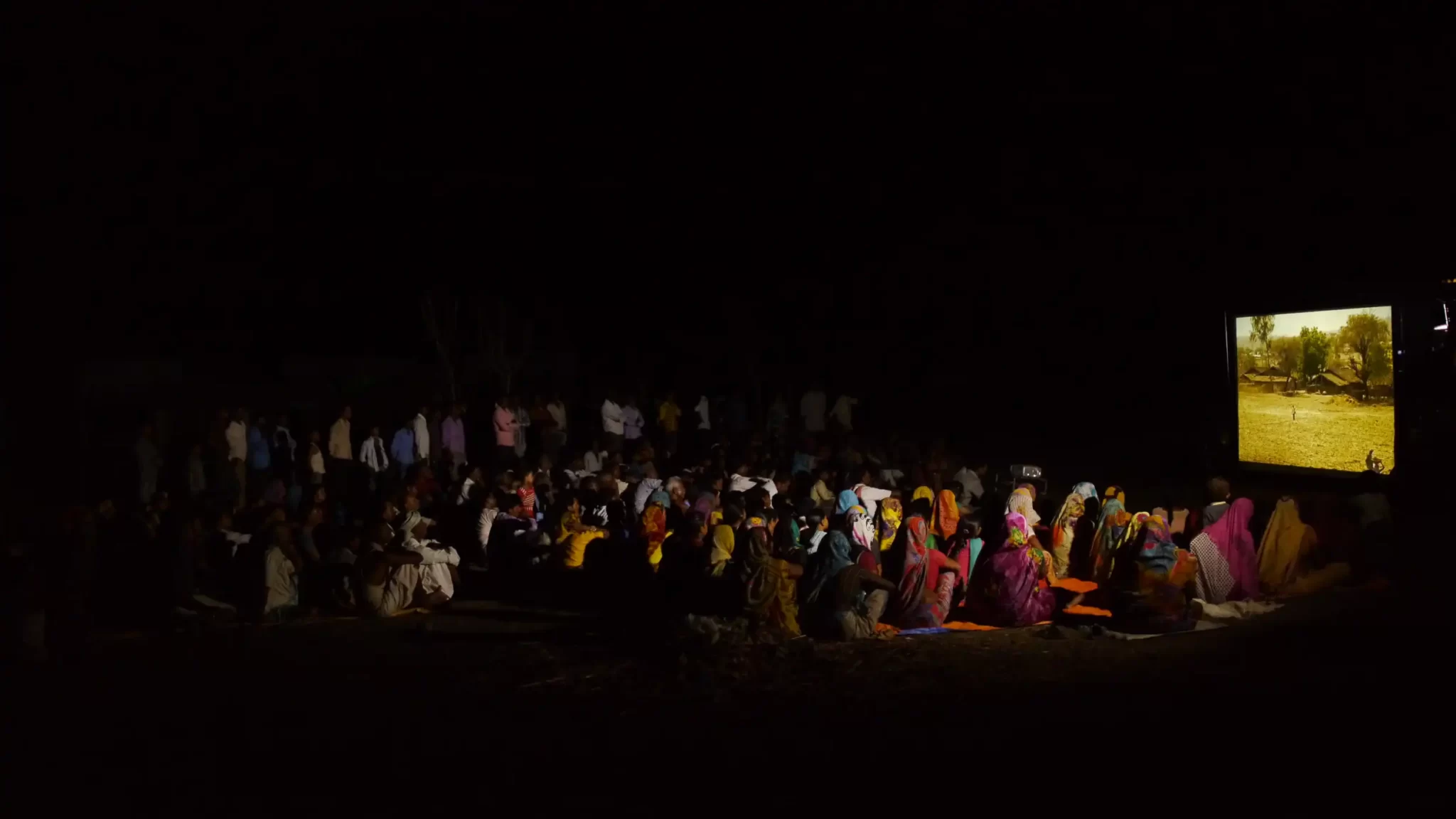
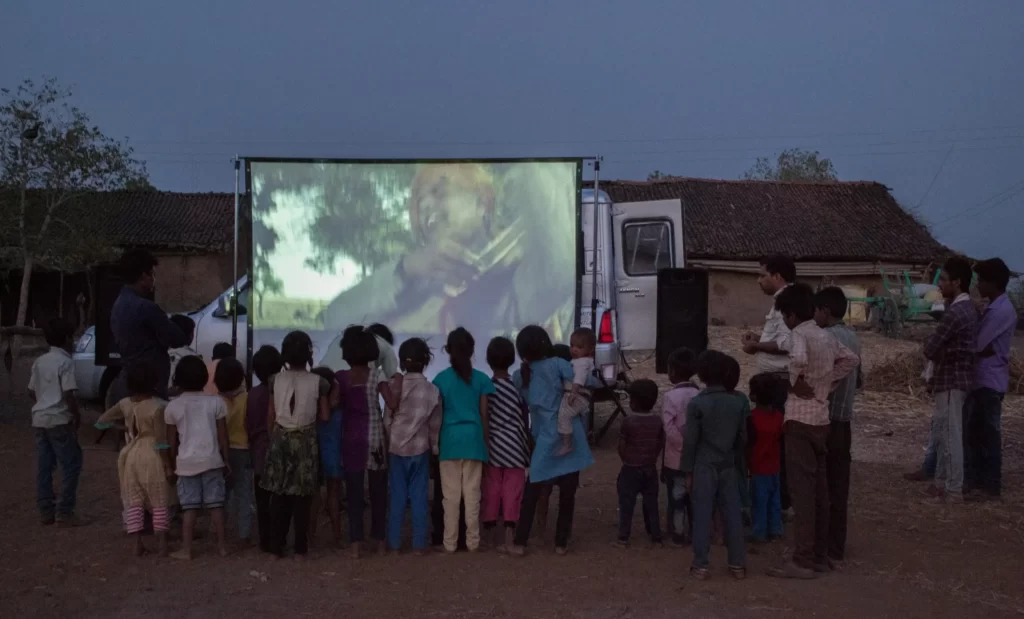
Based out of a remote tribal village in Madhya Pradesh, SPS Community Media engages in articulating stories of people pushed in the periphery, weaving them into films and audio stories in a dynamic, interactive process, in partnership with the local community. The core team comprises local people of the area who have been initiated into creating media contents. The guiding principle has been to bring out the voices of the people reflecting lived-in experiences of the region. More than 200 films have been produced so far – social documentaries, community videos and training films. In recent times, e-magazines and podcasts are adding to the repertoire. These media contents are primarily shared with the people of the area, taking them in the remote villages in public screenings in open fields as well as screenings in small groups, in closer one-to-one interactive sessions. Over 150 media disseminations take place every month in different locations. An open-air cinema experience connects people sharing learning, experiences and ideas and adding the joy of cinema to their lives; once the monsoon recedes and the grounds are dry enough for the audience to sit, the People’s Mobile Cinema is taken from village to village in about 30 to 40 venues every season. A van has been converted into a cinema – with an in-built rechargeable power supply, an LCD projector, a 10ft by 9ft portable screen and 200 watts speakers with amplifiers. As the sun recedes in the western horizon, the silver screen is rolled down for an audience ranging from 150 to 700, spread out on the ground. The films in the mobile cinema screenings range from old black-and-white Hindi feature film classics to new productions, educational as well as documentary films.
Films in Samaj Pragati Sahayog are an extension of the work that the organisation has been engaged in for the last 20 years. Working in a remote impoverished area with a large population of unlettered men, women and children, films have enhanced our communication of new ideas and possibilities to the people. The process of filming in turn has been an experience of learning and discovery and arriving at the best possible form within innumerable constraints.
We feel translating ideas, practices and information into films should be a process in partnership with the people themselves. We constantly try to identify the most appropriate person, place, or situation within the community to articulate the film content effectively. In a style between a documentary and an instructional film, people voice the issues true to their lives but share them for the benefit of a larger populace. Based on real-life situations and articulated by people in real-life contexts, these films create a sense of serendipity for the audience and hence are appealing and acceptable. The films in turn become a medium to bring forth the voices of the most neglected and marginalised people, expressing their plight and aspirations. These are also the voices that help us to constantly reposition our work to the context.
Our People’s Mobile Cinema takes these films to remote villages along with other films from across the world. An open-air cinema experience connects people with the rest of the world, sharing learning, experiences, ideas and adding the joy of cinema to their lives.
Once the monsoon recedes and the grounds are dry enough for the audience to sit, the Mobile Cinema is taken from village to village in about 30 to 40 venues every season. A van has been converted into a cinema – with an in-built rechargeable power supply, an LCD projector, a 10ft by 9ft portable screen and 200 watts speakers with amplifiers. As the sun recedes in the western horizon, the silver screen is rolled down for an audience ranging from 150 to 700, spread out on the ground. The films range from old black-and-white Hindi feature film classics to new productions, educational as well as documentary films. 15 to 20 films are screened every season – October to May – each film doing around in every venue. An average of 140 screenings takes place every season.
Watch our films
Click here to visit our channelMany of our films have been felicitated in national as well as international film forums.
- Magna Mater Award: The highest award given to the best film of the festival across all categories, 25th International Agro-film Festival, 2008 Slovakia
- Water Award: The best work concerning the subject of water resources, Cine Eco International Environmental Film Festival, 2008 Portugal
- Agrofilm International Film Festival, 2008 Nitra in Slovakia – Official Entries
- Cine Eco International Environmental Film Festival, 2008 Portugal – Official Entries
- Wildlife Vaasa, International Nature Film Festival, 2008 Finland – Official Entry
- Busan International Kids Film Festival, 2011 – Official Entry
- International Association of Women in Radio & Television (IAWRT) Asian Women’s Film Festival, 2012, New Delhi – Official Entry
- Jeevika: Asia Livelihood Documentary Festival 2013 & 14, New Delhi – Official Entries
- Our lives…to live Film Festival 2014 – Official Entry
- Special Jury Mention (Conservation 4 Water), CMS VATAVARAN 2017, New Delhi
- Best Film: Green Heroes Film Workshop & Festival, TERI, 20017, Mumbai
- International Environmental Film Festival “Green Vision”, 2017, St. Petersburg, Russia – Official Entry
- International Documentary and Short Film Festival of Kerala (IDSFFK), 2018 – Official entry
- Mumbai International Film Festival (MIFF) 2016 & 2018, Mumbai – Official entries
SPS Co-founders Pinky Brahma Choudhury and Shobhit Jain, graduates of the Film and Television Institute of India, Pune, have guided the SPS Community Media program over the last 20 years.